
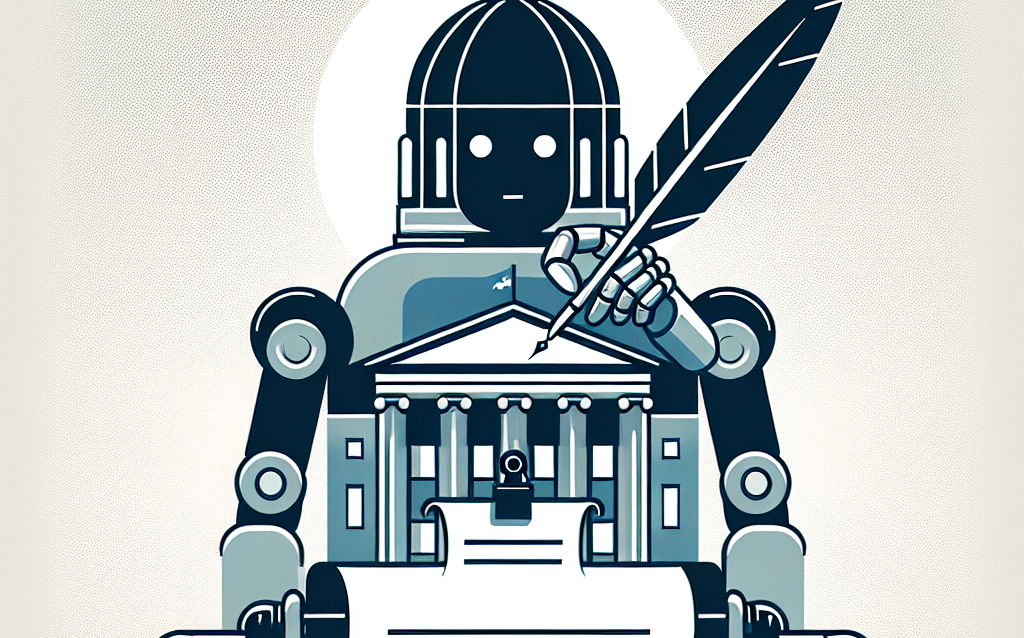
Introduction to Alberta’s AI Initiative in Legislation
In a groundbreaking step, the Alberta government is considering the use of artificial intelligence (AI) to draft legislation for the very first time. This initiative marks a significant advancement in the integration of technology within governmental processes, aiming to enhance efficiency, precision, and adaptability in lawmaking.
Why AI in Legislation?
Writing legislation is a complex and time-consuming process that typically involves numerous revisions, expert reviews, and consultations. The Alberta government’s move to employ AI technology hopes to streamline this process. AI can quickly analyze vast datasets, identify inconsistencies, and assist in drafting language that is clear and precise. This not only speeds up the legislative drafting but also aims to reduce errors and ambiguities that can arise in legal texts.
Benefits of AI-Powered Legislative Drafting
- Efficiency: AI can rapidly generate and revise drafts, saving valuable time for lawmakers and legislative aides.
- Accuracy: Machine learning algorithms can detect inconsistencies or potential conflicts within proposed legislation.
- Consistency: AI tools ensure that new laws align with existing legal frameworks and terminology.
- Cost-Effectiveness: Automating parts of the drafting process can reduce operational costs over time.
Potential Challenges and Considerations
While the advantages are promising, integrating AI into legislative drafting also raises questions. The complexity of law requires not only precise wording but a deep understanding of social, ethical, and political implications. AI systems may lack the contextual judgment that human drafters bring to the table. Furthermore, there are concerns around transparency, accountability, and the risk of bias within AI algorithms.
Safeguards and Oversight
The Alberta government is aware of these challenges and plans to establish strict oversight mechanisms. Human legislators and legal experts will retain final approval authority to ensure that AI-generated drafts meet ethical standards and public interest requirements. This balanced approach aims to harness AI’s capabilities while safeguarding democratic processes.
Implications for the Future of Governance
Alberta’s pioneering effort could set a precedent for other governments worldwide to integrate AI into their legislative procedures. As the technology evolves, AI might assist in predicting the outcomes of laws, improving public consultation processes, and even personalizing legal frameworks based on community needs.
Transforming Public Policy and Lawmaking
The fusion of AI and legislation heralds a new era in governance, one where technology augments human decision-making and fosters more responsive, adaptable legal systems. If successful, Alberta’s initiative could usher in more transparent, efficient, and inclusive government operations across various sectors.
Conclusion
The Alberta government’s exploration of AI for legislative writing represents a bold experiment at the intersection of technology and public policy. While challenges remain, this innovative approach has the potential to revolutionize how laws are drafted and implemented, making the legislative process faster, more accurate, and aligned with modern needs. As Alberta leads the way, the eyes of the world are on how AI will shape the future of governance.