
Introduction
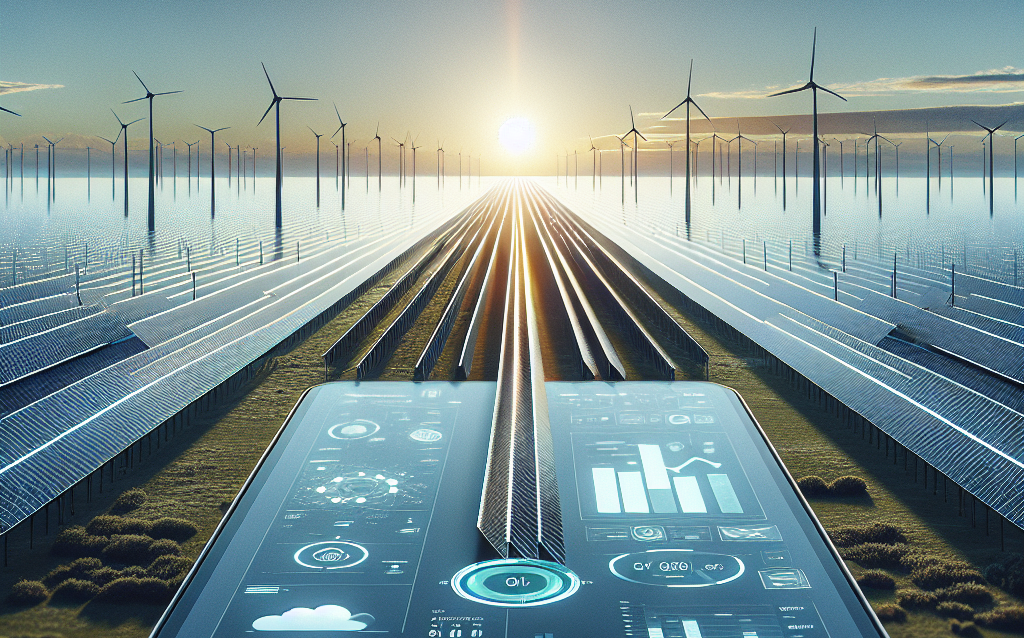
This week, Meta, the parent company of Facebook, Instagram, and WhatsApp, made headlines by purchasing an impressive 1 gigawatt (GW) of solar energy. This colossal move reflects the company’s commitment to sustainability and renewable energy, marking a significant milestone not only for Meta but also for the tech industry and global efforts to combat climate change.
Meta’s Commitment to Renewable Energy
Meta has long been a leader in corporate sustainability efforts. Over the past several years, the company has been striving towards operating on 100% renewable energy. As of 2020, Meta announced that all its data centers and offices worldwide were already running on renewable power. Purchasing 1 GW of solar energy is a step further in securing clean energy sources directly, strengthening their environmental impact.
What Does 1 GW Mean?
One gigawatt (1 GW) equals 1,000 megawatts (MW) or 1 billion watts of power. To put that into perspective, 1 GW can power hundreds of thousands of homes sustainably for an entire year. Therefore, Meta’s acquisition of this amount of solar power represents a huge investment in clean energy infrastructure.
The Significance of Meta’s Solar Purchase
Meta’s recent solar power deal is significant for several reasons:
- Boosting Renewable Energy Supply: By purchasing 1 GW of solar energy, Meta is increasing demand for renewable power, encouraging further investments in solar farms and clean energy technology.
- Reducing Carbon Footprint: This move will enable Meta to reduce its carbon emissions substantially, aligning with global climate goals like the Paris Agreement.
- Setting Industry Standards: As a leading tech company, Meta’s bold renewable energy ambitions set a benchmark for other corporations to follow suit.
Details of the Solar Power Deal
The 1 GW solar purchase involves multiple solar projects across the United States, slated to come online over the next few years. These projects will supply clean energy directly to Meta’s data centers and offices, which consume massive amounts of electricity daily.
Meta’s investment includes partnering with several solar developers and utility companies to ensure a reliable and sustainable energy supply. By locking in long-term contracts, Meta guarantees both energy affordability and environmental benefits.
Impact on the Tech Industry and Beyond
Meta’s solar power acquisition is a clear signal to the tech industry and beyond that renewable energy is not just feasible but essential. Large-scale purchases like this demonstrate that corporations can drive huge shifts towards sustainability.
This also pushes the renewable energy market to scale up production and innovation, reducing costs for everyone. As more companies follow Meta’s lead, the global transition to clean energy accelerates, benefiting the planet and future generations.
Challenges and Opportunities Ahead
While this is a significant achievement, challenges remain. Integrating large amounts of solar energy requires grid updates and storage solutions, as solar power is intermittent. However, advancements in battery technology and grid management promise to address these issues over time.
Moreover, Meta’s investment opens new opportunities for job creation in the renewable sector and encourages policy frameworks supporting sustainable growth.
Conclusion
Meta’s purchase of 1 GW of solar energy this week is a landmark event in corporate sustainability. It underscores the company’s dedication to reducing its environmental footprint and shaping a greener future. By embracing renewable energy on such a massive scale, Meta not only benefits its operations but also inspires other corporations and industries to act responsibly towards climate change.
This bold step forwards reinforces the role of technology giants as catalysts for change in the global effort to achieve a sustainable, clean energy future.